
Mold Testing in Linconia, PA

Know What's Growing Before It's Too Late

Certified mold testing that finds hidden problems early, protects your family’s health, and gives you the documentation you need for peace of mind.

Hear from Our Customers

Professional Mold Testing Services

Find It Early, Fix It Right

You’re not imagining that musty smell in your basement. Those headaches your kids keep getting aren’t just seasonal allergies. And that water stain on the ceiling from last winter’s ice dam? It’s probably feeding something you can’t see yet.

Mold doesn’t announce itself until it’s already a problem. By the time you spot visible growth, it’s been spreading for weeks. Professional mold testing catches it before it becomes expensive, before it makes anyone sick, and before it tanks your property value.

You get lab-certified results that tell you exactly what’s growing, where it’s coming from, and how serious it is. No guessing. No panic. Just clear answers that let you make the right call for your home and your family.

Mold Testing Company Linconia Trusts

We Test Homes, Not Your Patience

We’ve been serving Linconia and Bucks County for years, and we’ve seen what happens when homeowners wait too long or trust the wrong company. We’re not a remediation company trying to upsell you on services you don’t need. We test, we report, we move on.

Our team uses the same EPA-certified methods and independent lab analysis that insurance companies and real estate attorneys require. We know Pennsylvania’s humidity, aging housing stock, and the specific mold issues that show up in Linconia homes built before modern moisture barriers existed.

You’re dealing with people who live here, work here, and understand what basements in this area look like after a wet spring. We show up fast, test thoroughly, and give you results you can actually use.

Our Mold Testing Process

Here's Exactly What Happens When You Call

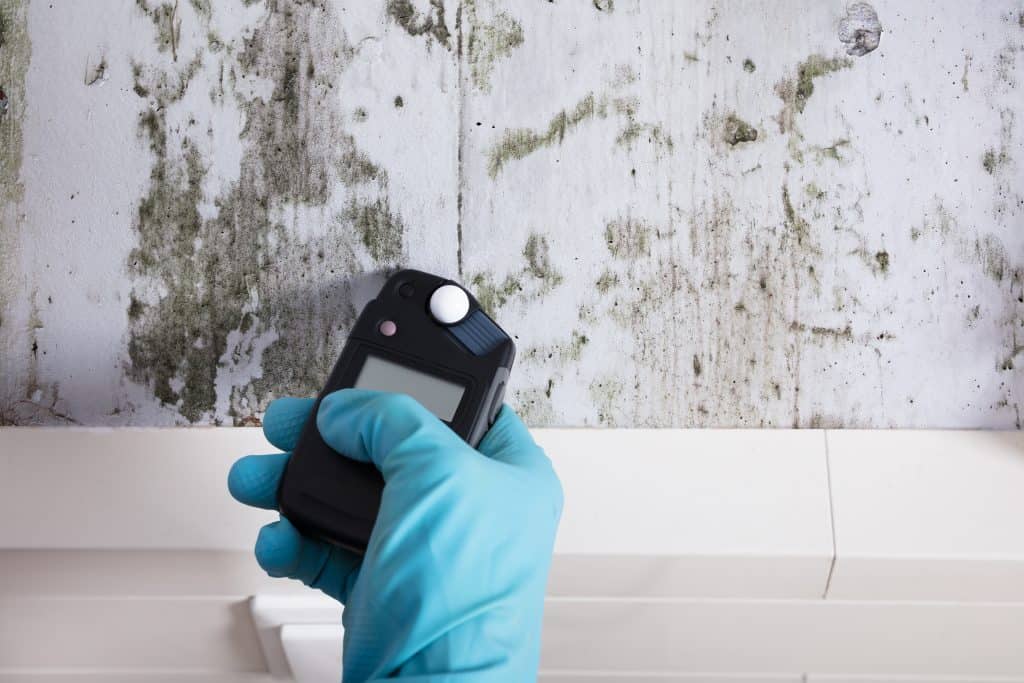
First, we schedule an inspection within 24 hours if you need it. When we arrive, we’re looking for visible mold, moisture sources, and areas where conditions are right for growth. We use infrared cameras to spot temperature differences that indicate hidden moisture behind walls or under floors.

Next comes the actual testing. Depending on what we find, we’ll do air sampling to measure spore levels, surface sampling from suspicious areas, or bulk sampling if there’s material we need analyzed. Each sample goes to an independent, EPA-certified lab. Not our lab. Not our buddy’s lab. A third-party facility that has zero reason to exaggerate results.

You get a full report within a few days. It tells you what species of mold we found, the concentration levels, and whether you’re dealing with common household mold or something more serious like Stachybotrys (black mold). From there, you decide what happens next. If you need remediation, we can recommend certified companies. If it’s minor, we’ll tell you that too.

Ready to get started?

Explore More Services

About Mack's Mold Removal

Residential Mold Testing Coverage

What You Actually Get From a Real Test

Every residential mold testing appointment includes a full property inspection, not just the room where you noticed the problem. Mold in your bathroom might be coming from a roof leak two floors up. We check attics, crawl spaces, HVAC systems, and anywhere moisture likes to hide in older Linconia homes.

You’re also getting documentation that satisfies Pennsylvania’s indoor air quality standards and insurance requirements. If you’re buying or selling a home, dealing with a tenant complaint, or filing a claim, you need testing that holds up legally. Ours does.

Bucks County’s climate creates specific challenges. High humidity in summer, freeze-thaw cycles in winter, and older homes with stone foundations that weren’t built to handle modern moisture loads. We’re testing with that context in mind, not running a generic checklist. Your report includes recommendations based on what actually works in this area, from dehumidification strategies to ventilation improvements that make sense for Pennsylvania weather.

How much does professional mold testing cost in Linconia?

Most residential mold testing runs between $300 and $600 depending on your home’s size and how many samples we need to collect. A small condo with one suspected area costs less than a 3,000 square foot home where we’re testing multiple rooms and air quality throughout.

The price includes the inspection, sample collection, lab analysis, and a detailed report. If you’re tempted by cheaper options, ask whether they’re using independent labs or doing “instant” tests that don’t tell you what species you’re dealing with. You need to know if it’s Cladosporium (annoying but common) or Stachybotrys (legitimately dangerous).

Testing costs a fraction of what remediation runs if you wait until mold spreads. Catching it early is the cheapest insurance you’ll ever buy for your home.

You can, but you probably won’t get useful information. Those kits detect mold spores, which exist in every home in America. They can’t tell you the concentration, the species, or whether what they’re picking up is actually a problem or just normal background levels.

Professional testing uses calibrated equipment and controlled sampling methods. We’re measuring spore counts per cubic meter and comparing them to outdoor baseline levels. That’s how you know if you have an actual infestation or just the normal amount of mold that exists in any building with air circulation.

The bigger issue is that DIY kits can’t find hidden mold. You’re testing the air in one room, but the source might be inside a wall cavity or under flooring. We use thermal imaging and moisture meters to locate problems before they become visible, which is the whole point of testing early.

An inspection is visual. We’re looking for visible mold, water damage, condensation, and conditions that support mold growth. We check humidity levels, examine HVAC systems, and identify moisture sources. You get a report on what we found and where your risks are.

Testing goes further. We collect physical samples and send them to a lab for analysis. That tells you exactly what species of mold is present and at what concentration. Testing is what you need when you smell mold but can’t find it, when someone in your home is having unexplained respiratory issues, or when you need documentation for insurance or real estate transactions.

Most of the time, you want both. The inspection finds the problem areas, and testing confirms what’s growing there and how serious it is. Some situations only need an inspection, but if there’s any doubt, testing removes the guesswork.

Lab results typically come back in 3 to 5 business days. We’re not running the analysis ourselves because that creates a conflict of interest. Independent labs take time to culture samples and identify species accurately.

If you’re in a situation where you need faster answers, some labs offer rush processing for an additional fee. That can cut the turnaround to 24-48 hours. But for most homeowners, waiting a few days is fine. Mold that’s been growing for weeks isn’t going to explode overnight.

Once we get the lab report, we review it and put together your final documentation. That includes our findings, the lab’s analysis, photos from the inspection, and recommendations for next steps. You’re not just getting raw data dumped in your lap. You’re getting context and a clear explanation of what it means for your specific situation.

Absolutely, especially if the home was built before 1980 or has a basement. Older homes in Bucks County weren’t constructed with modern moisture barriers, and many have stone foundations that wick water. Sellers aren’t required to disclose mold in Pennsylvania unless they know about it, which means you’re on your own to find out.

A pre-purchase mold inspection costs a few hundred dollars and can save you from buying a $15,000 remediation problem. We’ve seen buyers walk away from deals after testing revealed black mold in the HVAC system or widespread growth in finished basements that looked fine on the surface.

Even if the home inspection didn’t flag mold, that doesn’t mean it’s not there. Home inspectors do a general overview. We’re specifically looking for mold and the conditions that cause it. If you’re serious about a property, get it tested before you’re locked into a contract.

We offer three main types depending on what your situation calls for. Air sampling measures the concentration of mold spores in the air and compares it to outdoor levels. This is useful when you suspect mold but can’t see it, or when you want to verify that remediation actually worked.

Surface sampling involves swabbing or tape-lifting from areas where we see suspected growth. The lab analyzes what species is present and whether it’s actively growing or just surface residue. This is the most direct way to identify what you’re dealing with.

Bulk sampling means we take a piece of material (drywall, insulation, carpet) and send it to the lab. This is less common but necessary when contamination is deep in porous materials. We use this when surface sampling isn’t enough to determine the extent of the problem or when insurance requires physical evidence of damage.

Other Services we provide in Linconia